PowerCo is a major gas and electricity utility who are considering offering a 20% discount to dissuade clients from churning as it'a fair hypothesis that price changes affect customer churn. Before implementing this strategy, it's necessary to test if price sensitivity is a main driver of customer churn. If it is, then a 20% discount could be an effective customer retention strategy.
- Test hypothesis: Is churn driven by the customers' price sensitivity?
- Build a predictive model for customer churning and evaluate the model
- Examine the impact of a 20% discount on business
- Data are provided by PowerCo. More descriptions are included in the 'Data' folder.
- Client data includes their historical and forecast electricity and gas consumption, contract related dates, etc.
- Price data include fixed and variable pricing in off-peak/mid-peak/peak period.
- Churn indicator: whether each customer has churned or not.
- Exploratory Data Analysis:
- Apply data visulaisation to gain a holistic understanding of data set (e.g. data statistics and variable distribution).
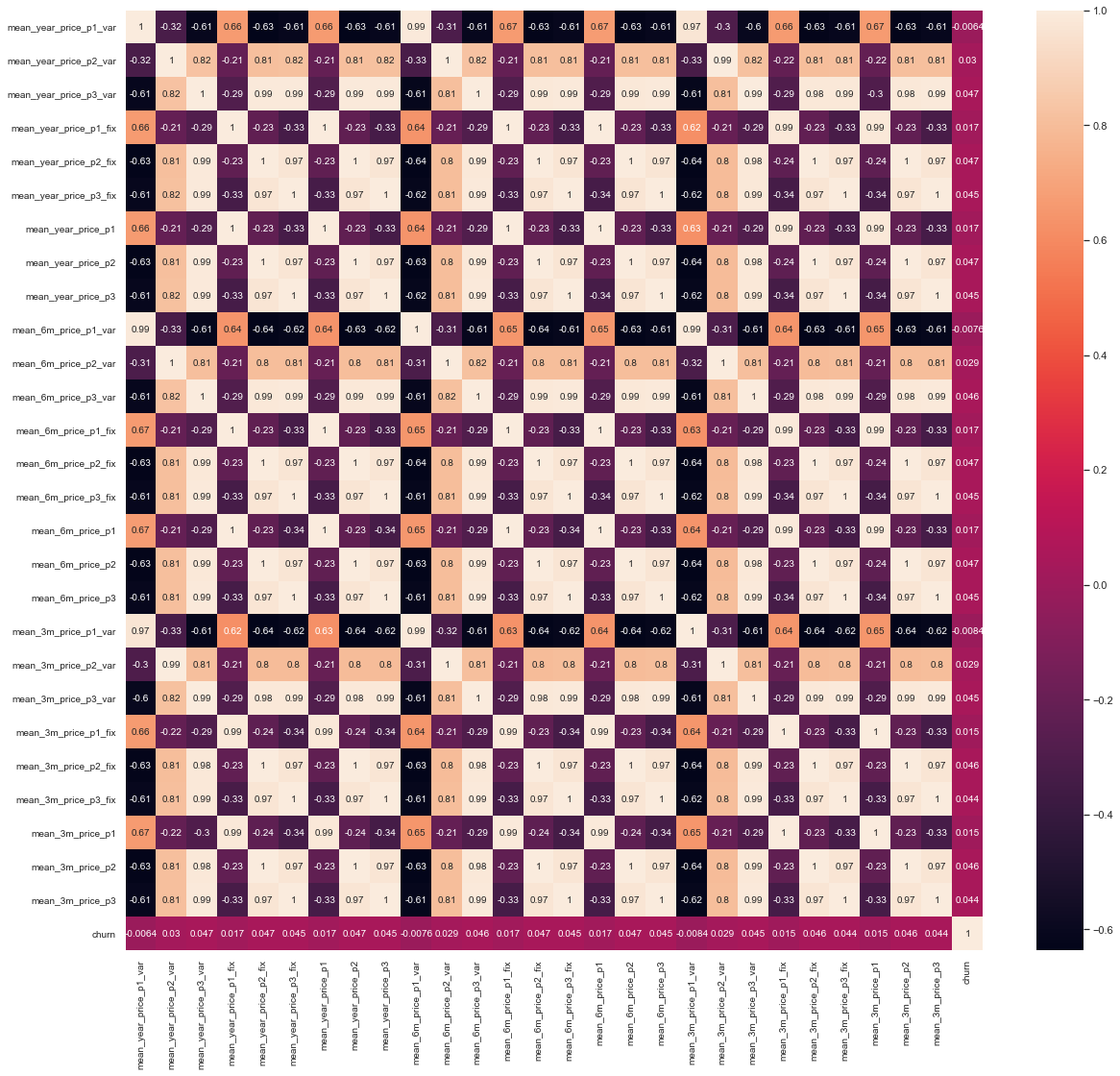
- Test if price (generally) is correlated with churn.
- Feature Engineering:
- Create price sensivity features:
- Price differences across an entire year
- Max price difference between months
- Price differences across different time periods (off_peak, peak, mid_peak)
- Transform date features, categorical features and skewed features
- Modelling:
- Logistic regression
- Random forest
- Predict churn and churn probability
- Evaluation: classification metrics and feature importance
- Discount Impact:
- Revenue comparison of discount scenario and non-discount scenario
- Explore who should be given a discount to maximize profit
- Depending on churn
- Depending on churn and value of customer
- Depending on churn probability
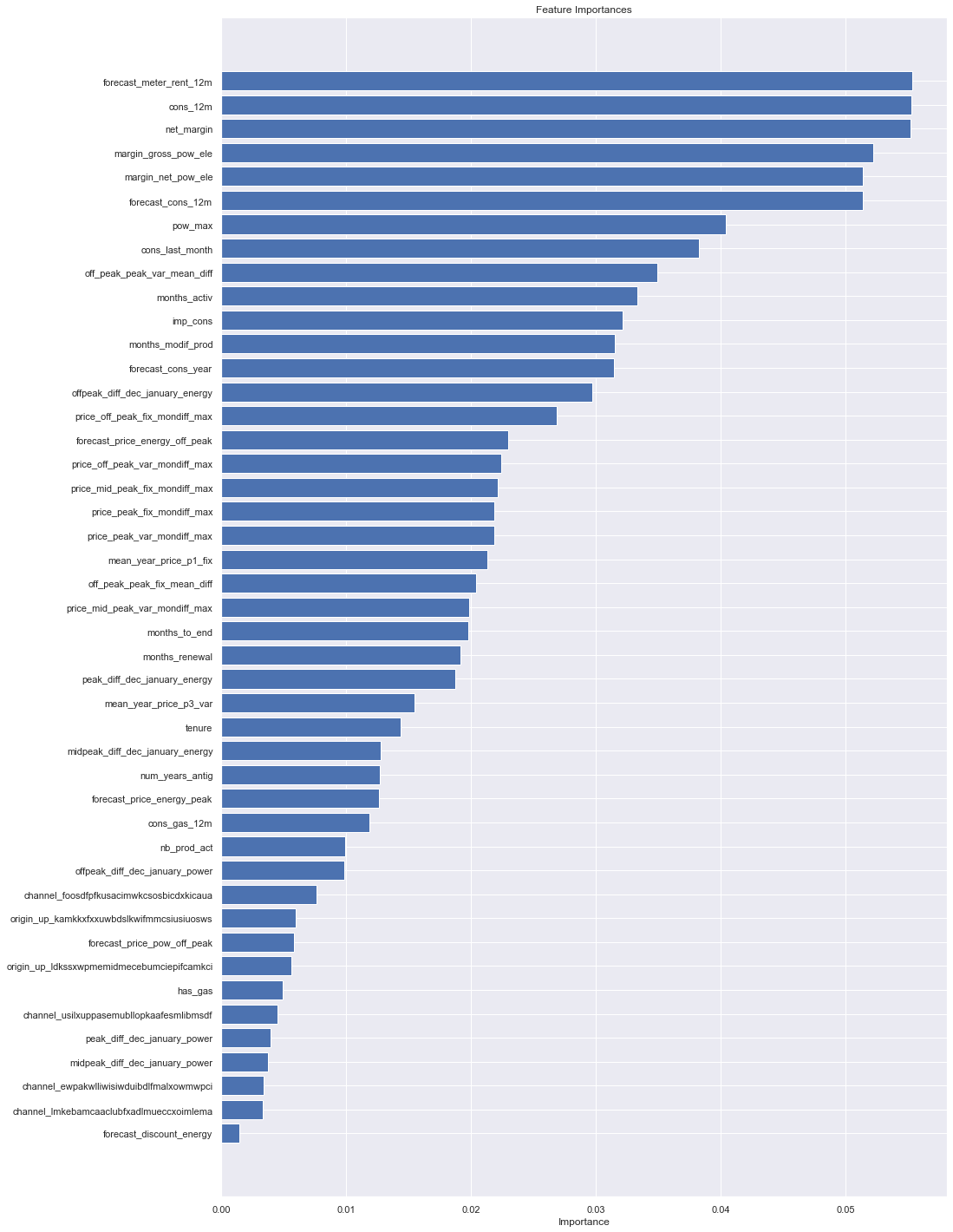
- Price sensitivity is not a main driver but a weaker contributor.
- The current set of features are not discriminative enough to clearly distinguish between churners and non-churners.
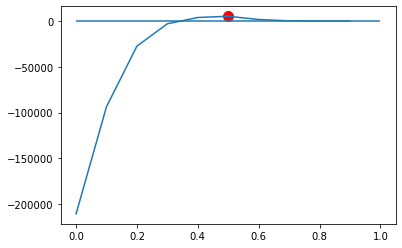
- Giving discounts can be profitable to some level under assumptions.
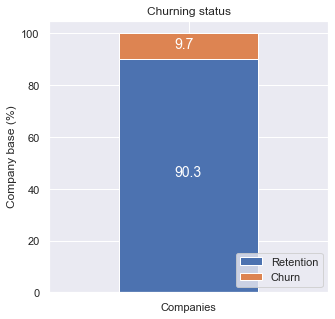
Churning clients account for 10%:
The correlation between price and churn is low:
The feature importance of price sensitivity features are scattered around:
If we give discounts to clients with churn probability above 0.5, then profit is maximized and larger than not offering discounts:
The generic 20% discount might not be effective. More personalised strategies need to be applied.
- Give different discounts according to churn probability.
- Find the discount level that balances customer retention vs the cost of false positives.